

Understanding the 25% Glazing Rule Extensions
Why this question comes up all the time and how to design bright, modern extensions without falling foul of Building Regulations.
Quick Answer
The 25% glazing rule extensions limits the amount of new glazing in an extension to 25% of the extension’s floor area under UK Building Regulations Part L.
However, there are several compliant ways to exceed this limit, including compensating insulation, using higher-performance glazing, SAP calculations, or whole-house energy modelling.
👉 This is one of the most common questions I get asked at Melrose Designs.
—
What Is the 25% Glazing Rule?
The 25% glazing rule comes from Approved Document L (Conservation of Fuel and Power) and applies to new extensions to existing dwellings.
In simple terms:
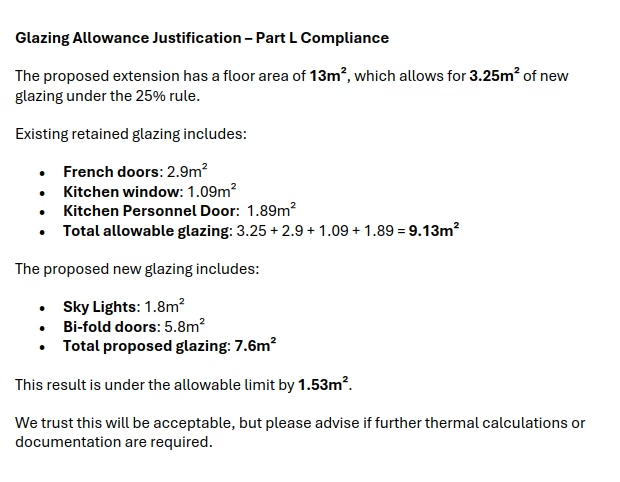
- The total area of new windows, doors, and rooflights
- Must not exceed 25% of the extension’s floor area
- Unless you compensate elsewhere
What counts as glazing?
✔️ Windows
✔️ External glazed doors
✔️ Bi-fold / sliding doors
✔️ Rooflights & lanterns
❌ Existing windows/doors retained
❌ Internal glazing
—
Why Does the Rule Exist?
The rule is designed to:
- Reduce heat loss
- Control energy demand
- Prevent poorly performing “glass boxes”
But modern homes demand:
- Open-plan layouts
- Garden connections
- Natural daylight
Architectural glazing features
So Building Regulations allow flexibility — if you know how to use it.
—
The 3 Legal Ways to “Bend” the 25% Glazing Rule
(This is where good designers earn their money)
1️⃣ Compensating with Better Insulation (The Most Common Method)
You can exceed 25% glazing if you improve the thermal performance elsewhere.
Typical upgrades include:
- Thicker PIR insulation to walls
- Higher-spec roof insulation
- Improved floor U-values
📌 Building Control will accept this if the overall heat loss is no worse than a compliant extension.
👉 Read more: Insulation Strategies to Offset Large Glazing
—
2️⃣ Use High-Performance Glazing (Often Overlooked)
Not all glass performs the same.
Upgrading to:
- Low-U-value triple glazing
- Warm-edge spacers
- Solar control coatings
Can dramatically reduce heat loss.
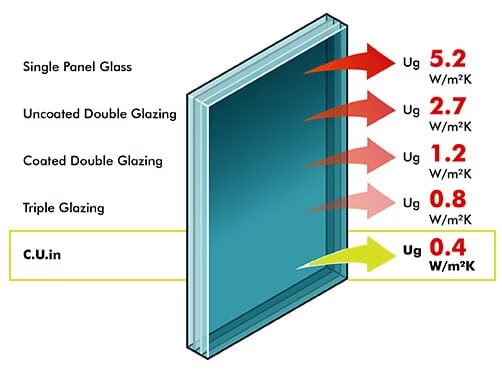
Typical U-values:
- Standard double glazing: ~1.4 W/m²K
- High-spec glazing: ≤1.0 W/m²K
📌 Better glass = more glass allowed.
👉 Read more: Choosing the Right Glazing for Extensions
—
3️⃣ SAP or Whole-House Calculations (The “Get Out of Jail” Card)
For large or highly glazed extensions, a SAP calculation or whole-dwelling assessment can be used.
This allows:
- Energy balancing across the entire house
- Larger expanses of glazing
- Architectural freedom
⚠️ This must be done early not after drawings are finished.
👉 Read more: When SAP Calculations Are Worth It.
—
Real-World Example (First-Hand Experience)
“A client in Wigan wanted a rear extension with 6m-wide bi-fold doors and two roof lanterns. On paper, the glazing was nearly 45%.”
Instead of redesigning:
- We upgraded wall insulation
- Improved roof build-up
- Specified higher-performance glazing
✅ Approved first time by Building Control
This is exactly why I get asked this question so often.
—
Common Myths (People Also Ask)
❓ Does the 25% rule apply to permitted development?
✔️ Yes — Building Regulations still apply, even if planning permission isn’t required.
❓ Does a roof lantern count as glazing?
✔️ Yes — 100% of its glazed area.
❓ Can Building Control ignore the rule?
❌ No — but they can accept compliant alternatives.
❓ Is there a maximum glazing limit?
🚫 No fixed maximum — only a performance requirement.
—
Designer & Homeowner Tips 💡
For Homeowners:
- Ask early about glazing limits
- Don’t assume “it’ll be fine”
- Bigger glass = bigger thermal strategy
For Designers:
- Design insulation with glazing, not after
- Keep a heat-loss balance in mind
- Speak to Building Control early
📌 Good design is about performance, not just appearance.
—
Why Melrose Designs Gets This Right
At Melrose Designs, we don’t just draw extensions, we design them to pass.
- Credentials & Experience
- UK residential design specialist
- Extensive experience with Part L compliance
- Regular liaison with local Building Control bodies
- Real-world approval track record across the North West
👤 Author: Kieran Atherton
🏢 Practice: Melrose Designs
📍 Specialism: Residential extensions & Building Regulations compliance
—
Pillar Content Structure
Pillar Page:
✔️ The 25% Glazing Rule for Extensions
Supporting Articles:
1. 👉 Insulation Strategies to Offset Large Glazing
2. 👉 Choosing the Right Glazing for Extensions
3. 👉 When SAP Calculations Are Worth It.
Final Thought
If you’re being told “you can’t have that much glass” it usually means the design hasn’t been thought through properly.
At Melrose Designs, we design around the regulations, not against them.
📩 Got a glazing-heavy extension in mind? This is exactly what we do.
The 25% glazing rule limits glazing in extensions, but designers can legally exceed it using compensating insulation, high-performance glazing, or SAP calculations. Melrose Designs specialises in designing bright, modern extensions that comply with UK Building Regulations without compromise.