
 External Fire Escape Stair Design
How Melrose Designs delivers safe, compliant & buildable escape solutions for vulnerable residents.
📸 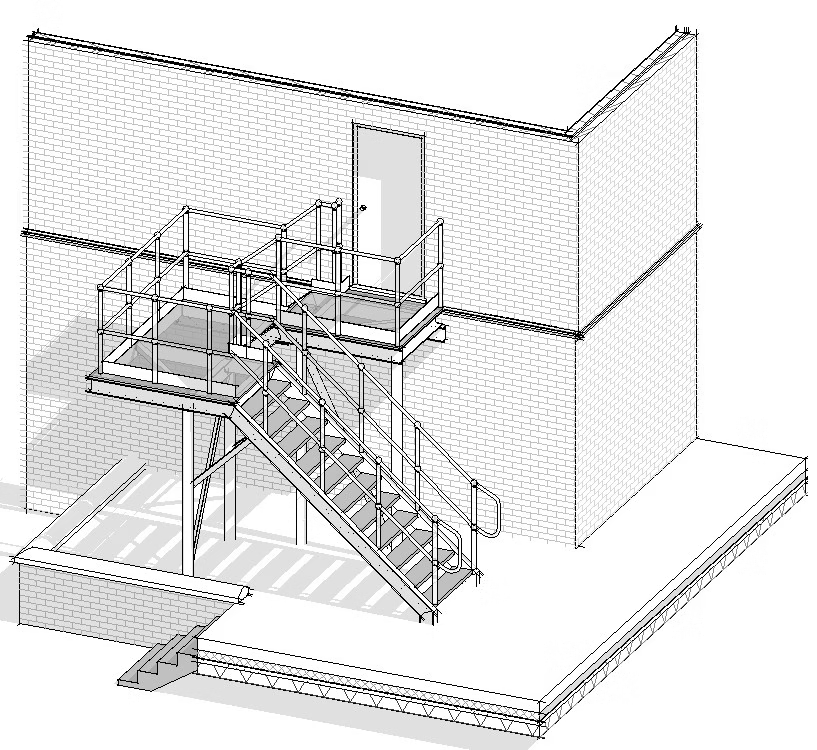
Designing an external fire escape stair may look simple — but in real‑world care environments it is one of the most safety‑critical structural elements of a building. At Melrose Designs, we recently delivered the structural design, steelwork detailing and construction package for a new external fire escape stair at a Care Home, in Wigan.
This project shows exactly how fire safety, structural engineering, durability and practical constructability must work together in a single coordinated design.
❓ What Is an External Fire Escape Stair and Why Is It Important?
External fire escape stairs form part of a building’s life‑safety evacuation strategy. In care homes, the stakes are even higher because residents may have limited mobility or require assisted escape.
A properly designed system must:
- Provide a safe, unobstructed escape route
- Meet strict Building Regulations
- Remain operational in all weather conditions
- Resist corrosion and long‑term environmental exposure
- Integrate safely with the existing building structure
📐 Key Design Principles for the Home Project
1. Building Regulations & Fire Safety Compliance
To comply with UK requirements, the stair was designed in line with:
- Approved Document B – Fire Safety
- Approved Document K – Protection from Falling, Collision & Impact
- BS EN 1993 (Eurocode 3) – Structural Steel Design
- BS 9991 – Fire Safety in Residential Buildings
Our design approach ensures:
✔ Correct stair geometry
✔ Safe handrail and guarding details
✔ Fire‑safe door swing and landing clearances
✔ Load‑tested structural capacity
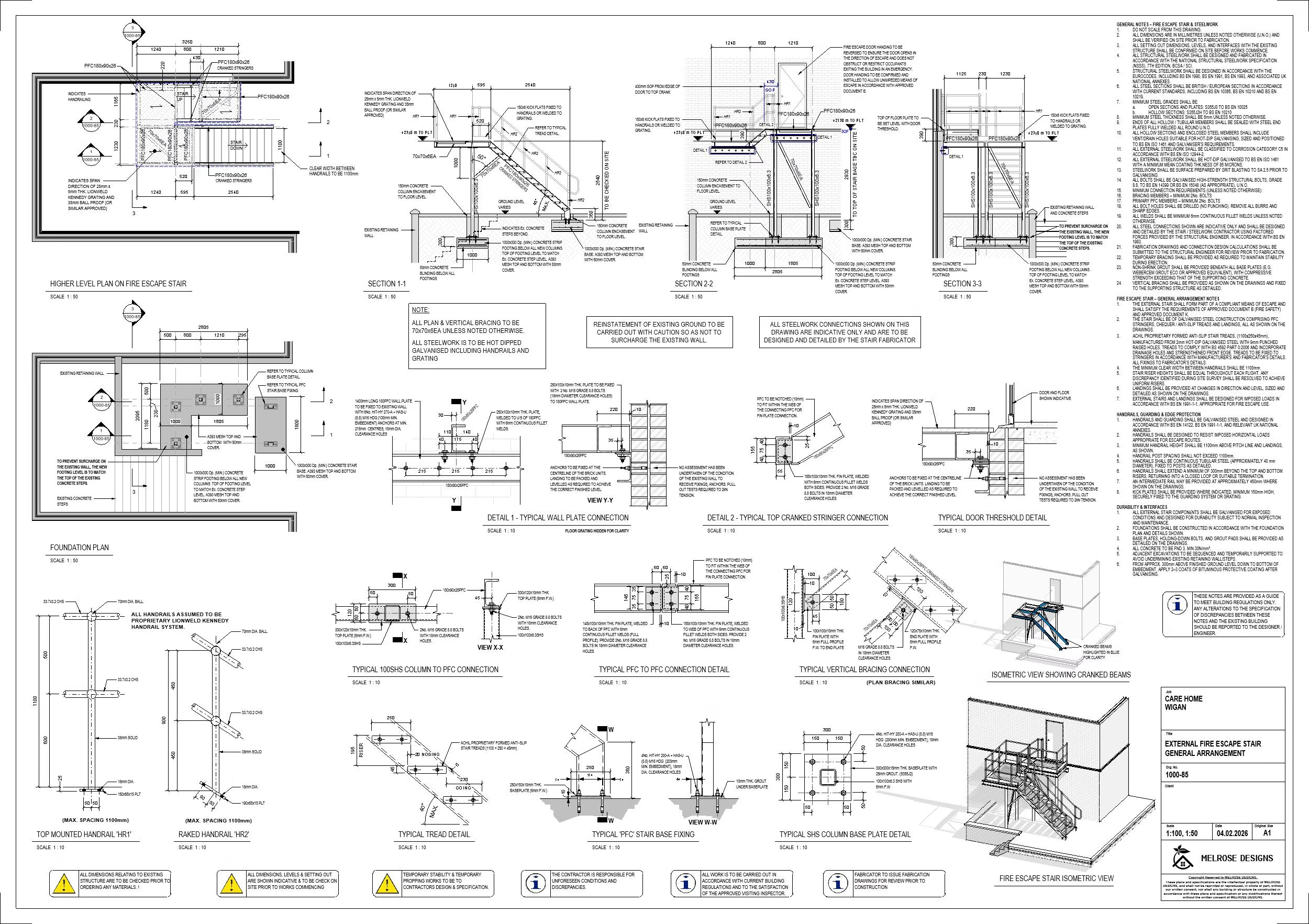
2. Structural Integrity & Steelwork Engineering
The structural system includes:
- PFC stringers
- SHS columns
- Cranked members for alignment
- Vertical & horizontal bracing
- Fabricator‑friendly bolted connections
These provide a robust, stiff and stable escape structure for long‑term performance.
3. Durability & Corrosion Protection
External steelwork must survive decades of rain, frost, UV and airborne salts.
For this project, we specified:
- Full hot‑dip galvanising
- Sealed & vented hollow sections
- Ground‑level protection measures
- Corrosion‑resistant fixings
This approach prevents internal corrosion and ensures safe, maintenance‑friendly operation.
4. Foundations & Ground Conditions
A fire escape stair is only as strong as the foundations supporting it.
Our foundation strategy included:
- Strip footings sized for point‑loaded steel columns
- A393 reinforcement mesh
- Controlled excavation to prevent undercutting or ground heave
- Verification of levels to ensure seamless tie‑in with the building
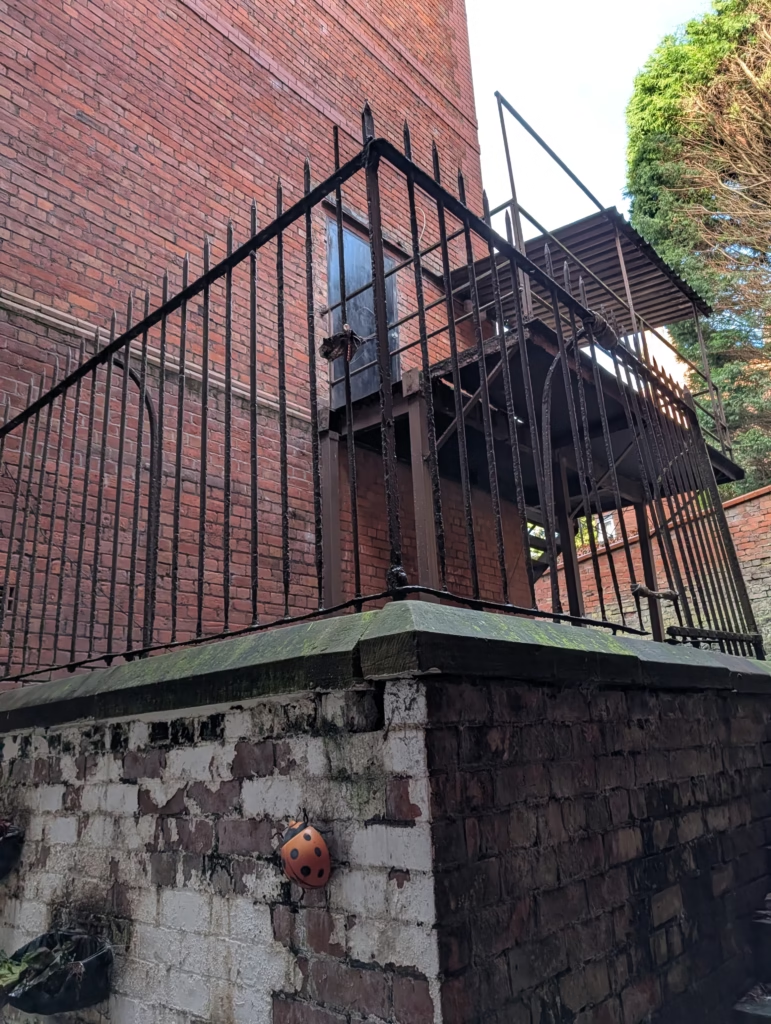
Incorrect levels or poorly planned excavation can cause major installation problems, so we build in tolerance and site‑friendly sequencing.
🔧 Constructability: Designed for Real‑World Installation
Too many designs work on paper but fail on-site. At Melrose Designs we focus on structures that can actually be installed safely and easily.
Our package included:
✔ Fabricator‑designed connection plates
✔ Tolerance allowances
✔ Clear setting-out references
✔ Alignment with existing thresholds
✔ Avoidance of clashes with downpipes, vents & services
This keeps installation smooth, reduces risk, and avoids costly delays.
📄 Project Drawings & Documentation
The full scheme is presented in our drawing set:
- General Arrangement Plans
- Sections & Elevations
- Connection Strategy
- Foundation Layouts
🎯 Final Thoughts from Melrose Designs
External fire escape stair design sits at the crossroads of:
- Structural engineering
- Fire safety regulations
- Durability science
- Real‑world buildability
Good design isn’t just about calculations — it’s about understanding how the stair will perform, age, and be used by the people relying on it.
👤 Author Bio — Kieran Atherton (Melrose Designs Ltd)
With over a decade of residential and commercial structural design experience across the North West, I specialise in creating buildable, compliant, and cost‑effective design packages for homeowners, architects and contractors.
Practical, detail‑led, and trusted by repeat clients — delivering designs that work both on paper and on-site.
📘 FAQ (Schema‑Ready Section)
Q1: Do external fire escape stairs need Building Regulations approval?
Yes. All escape stairs must comply with Approved Document B & K plus relevant structural standards.
Q2: Is galvanising mandatory for external steel stairs?
Not mandatory, but strongly recommended to prevent corrosion and extend the lifespan of the stair.
Q3: Can a fire escape stair be timber?
Usually no for care environments — steel is preferred due to fire resistance, durability and performance.
🔧 How-To Section
How to Ensure Your External Fire Escape Stair Is Fully Compliant
- Confirm Building Regulations (ADB, ADK)
- Appoint a structural designer
- Ensure correct stair geometry & guarding
- Specify galvanised steelwork
- Provide foundation engineering
- Coordinate with existing levels
- Review installation sequencing
- Complete as‑built inspection