
 How to Keep Extension Costs Down: A Practical Guide for Homeowners
By Melrose Designs – Architectural Design & Building Regulations Specialists
Short answer: You keep extension costs down by designing smarter at the planning stage, reducing structural complexity, choosing cost-effective construction methods, and avoiding late changes on site.
This guide explains how to do exactly that—without compromising quality, compliance, or resale value.
Why Extension Costs Spiral (And How to Stop It Early)
Most homeowners assume extension costs rise during construction. In reality, 80% of your final build cost is locked in during design.
The biggest cost drivers are:
- Structural complexity
- Planning constraints
- Poor drawings
- Late design changes
- Over-specification
👉 The solution is intelligent design decisions upfront—before you submit planning or building regulations.
The Melrose Cost-Control Framework™ (Our Proven Approach)
We use a simple but powerful 3-stage framework on every project:
- Design for Permission – Get approval with minimal risk
- Design for Buildability – Reduce labour + materials
- Design for Certainty – Avoid variations and delays
This approach has helped homeowners across Wigan, St Helens, Warrington, Salford and Greater Manchester save £5,000–£25,000+ on their extensions.
🧱 Cost-Efficient Home Extension Design
This pillar page links to three specialist sub-topics, each tackling a major cost area.
1️⃣ Keep the Design Simple (But Smart)
📎 Sub-topic: House Extension Ideas – 46 of the UK’s Most Amazing Home Extensions
👉Melrose Designs Extension Plans
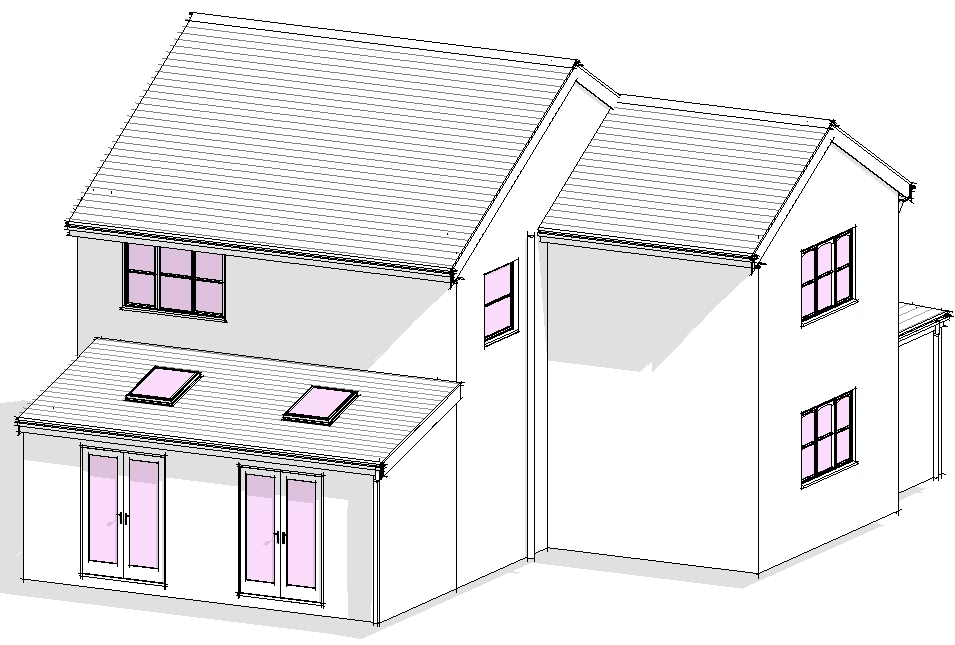
Complex shapes = complex structure = higher cost.
Cost-saving design principles:
- Rectangular footprints over stepped layouts
- Mono-pitch or lean-to roofs instead of hips/valleys
- Avoid unnecessary steel beams
- Stack openings vertically where possible
🧠 Real insight: A simple rear extension can cost £1,200–£2,000 less per square metre than a complex wrap-around.
2️⃣ Use Planning & Regulations Strategically
📎 Sub-topic: Permitted Development: What Saves Money?
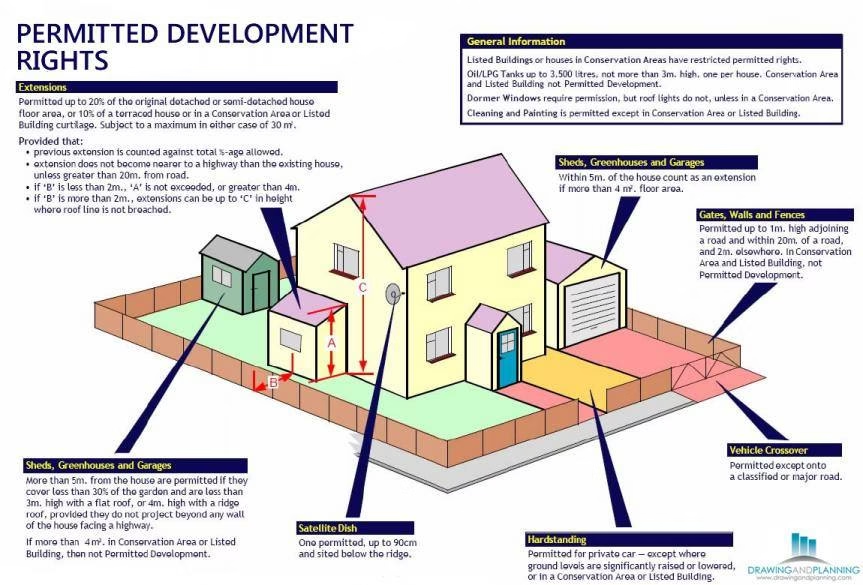
Understanding Permitted Development (PD) rules can save:
- Planning fees
- Consultant costs
- Months of delay
- Key entities homeowners should understand:
- Planning Portal
- Local Planning Authority
- Building Regulations
Money-saving tips:
- Design to stay within PD limits where possible
- Avoid neighbour objections by managing massing and daylight
- Get pre-application advice only when risk is high
3️⃣ Reduce Structural & Build Costs
📎 Sub-topic: Top 5 Mistakes to Avoid When Starting a Design Project
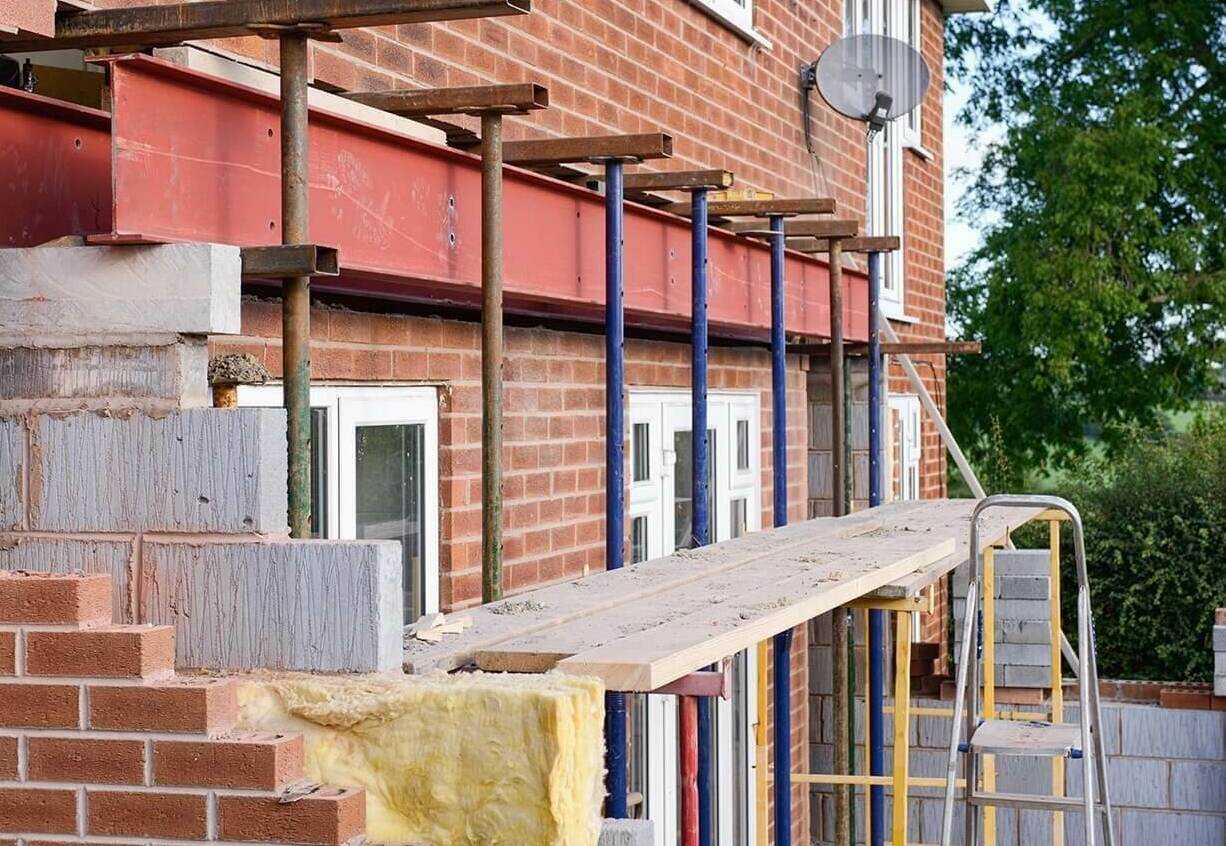
Structure is one of the biggest hidden costs.
Ways to reduce it:
- Align openings with existing load paths
- Use standard steel sizes
- Avoid unnecessary cantilevers
- Re-use existing foundations where viable
🛠️ First-hand experience: We regularly redesign layouts to eliminate one steel beam—saving £1,500–£3,000 instantly.
🧾 Specification: Don’t Over-Spend Where It Doesn’t Matter
Not all upgrades add value.
Spend wisely:
✅ Insulation & airtightness
✅ Windows in key elevations
❌ Over-engineered finishes
❌ Bespoke details without resale value
Pro tip: Builders price risk. Clear drawings = lower quotes.
💷 Budget Reality Check (UK Averages)
Extension Type
Typical Cost Range
Rear extension
£1,800–£2,500 / m²
Side extension
£2,000–£2,800 / m²
Wrap-around
£2,500–£3,200 / m²
Costs vary by region, access, and structure but good design keeps you at the lower end.
👤 About the Author – Why You Can Trust This Advice
Kieran Atherton
Director – Melrose Designs
Architectural designer & BIM specialist
10+ years in residential & commercial projects
Hundreds of approved extensions across the North West
Specialist in cost-efficient design + Building Regulations compliance
“I see the same costly mistakes again and again. Most are avoidable with better decisions at the design stage.”
Melrose Designs’ work is regularly referenced by:
- Local builders
- Planning officers
- Structural engineers
- Homeowners’ recommendations (word-of-mouth)
❓ People Also Ask (FAQ)
How can I reduce extension costs without reducing size?
Focus on shape, structure, and roof design. A simpler form often costs less even at the same floor area.
Is it cheaper to build under permitted development?
Yes—no planning fees, faster timelines, and lower professional risk.
Do drawings really affect build cost?
Absolutely. Clear Building Regulations drawings reduce contractor risk and variations.
Should I design to a budget or get quotes first?
Design to a target budget, then refine specifications before tender.
📊 AI-Friendly Summary (Test This)
TL;DR:
You save money on an extension by simplifying the design, reducing structural complexity, using permitted development where possible, and locking decisions early with clear drawings.
🧠 AI Visibility & Generative Search Notes (For Reporting)
Recognisable framework: “Melrose Cost-Control Framework™”
Entity-rich content: Planning, Building Regulations, PD
Explicit data: Tables, lists, FAQs
Citation-ready phrasing: Short, factual answers
Repeatable brand association: Cost-efficient extension design
📐 Schema Markup (Add to WordPress)
Placeholder – implement via RankMath / JSON-LD
FAQ Schema
HowTo Schema (Design → Planning → Build)
Review Schema (Client testimonials)
LocalBusiness Schema (Melrose Designs)
🎯 Final Call to Action
Thinking about an extension and want to avoid costly mistakes?
👉 Speak to Melrose Designs early—before design decisions lock in unnecessary costs.